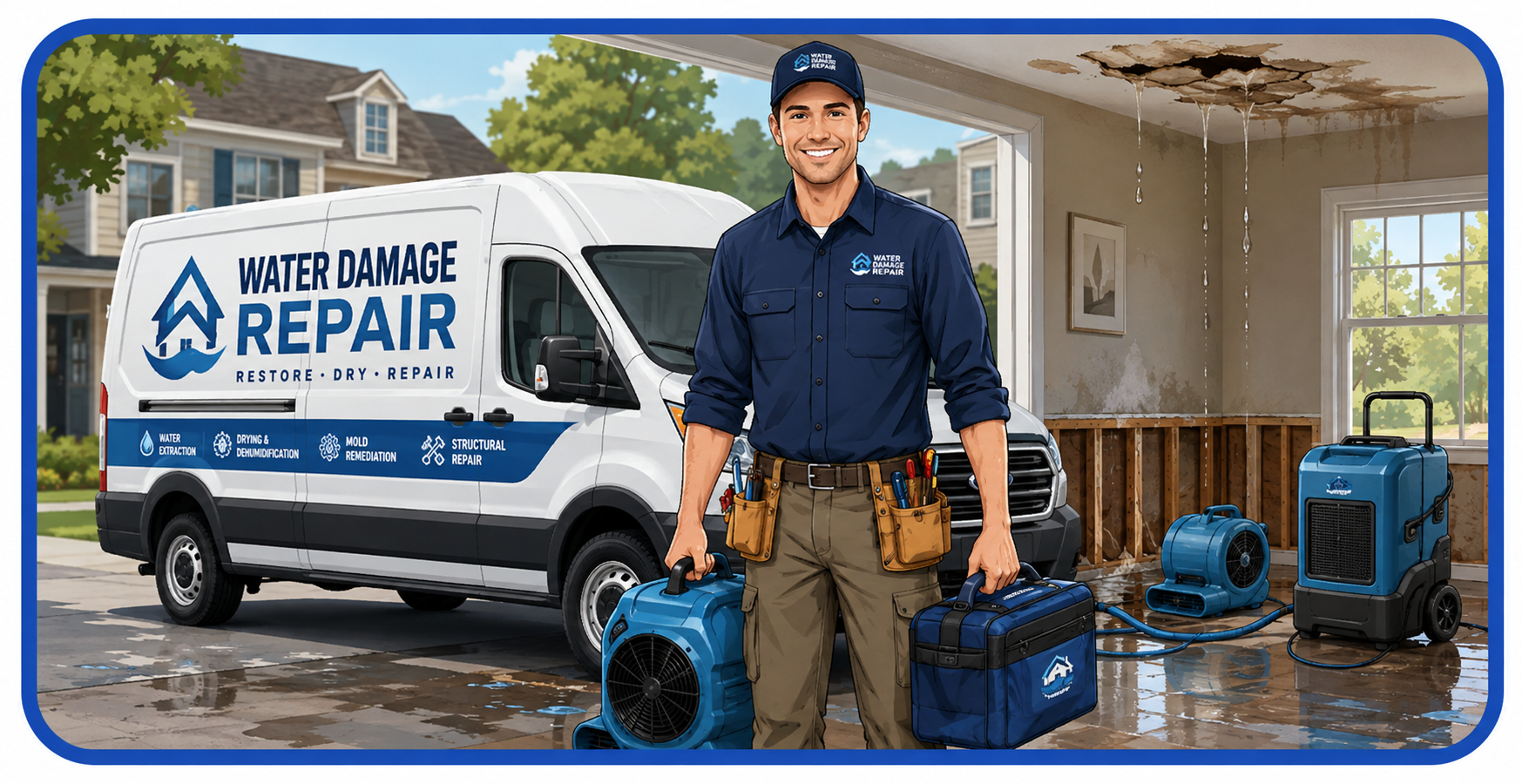
You came home from a long weekend to a failed water heater and a hallway carpet that squishes under your feet. Restoration is not just drying it out. It is extraction, drying, demolition, and rebuilding, done in the right order so nothing gets sealed up wet.
One free call connects you with an independent local specialist. Areas served include zip codes 94941 94942.

We are a referral line, not a contractor. Your call is routed to an independent local restoration company that can take the job from the first moisture reading to the final walkthrough, which saves you from managing three or four different trades.
When the same contractor dries the house and rebuilds it, nobody can blame the other company for a problem. You get one estimate and one schedule.
Restoration contractors commonly write estimates in Xactimate, the same software most insurance adjusters use, so line items for flood cuts, drying days, and baseboard replacement match what your carrier expects.
Rebuild work like electrical outlets and drywall may need permits. Independent contractors in the network carry their own licensing and insurance, and you should confirm both before work starts.
Because the contractors already work around Mill Valley, they can usually get mitigation started the same day, which limits how much material has to be torn out later.

Restoration follows a set order. Skipping a step, like closing up walls before the framing is dry, is how mold ends up behind brand new drywall six months later.

The first phase stops the water and limits the spread: extraction, drying setup, and protecting unaffected rooms with plastic containment.
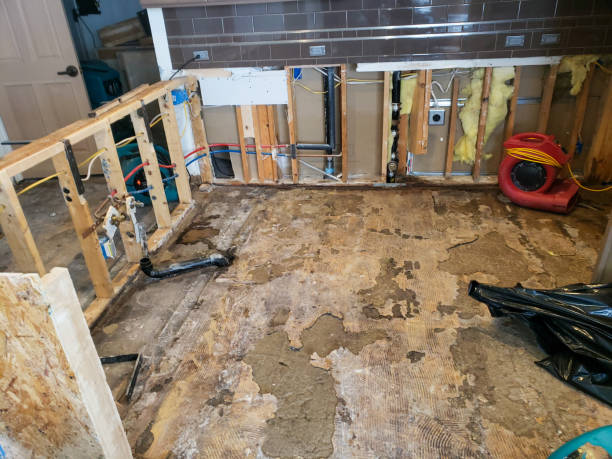
Wet drywall is cut at a straight line, often two or four feet up, to expose framing for drying. Swollen MDF baseboards, saturated insulation, and delaminated cabinet toe kicks come out too.
Furniture, rugs, and boxes get moved, blocked up on foam pads, or packed out to storage so they are not ruined while the floors dry. Each item is inventoried for your claim.
New drywall is hung, taped, and textured to match. Baseboards, casing, and paint go back on, and outlets and switches are reset to code.
Carpet may be re-stretched with new pad, hardwood may be sanded and refinished after drying, and laminate that swelled at the seams is usually replaced.
Tell the dispatcher what happened and how long the water was there, so you are matched with a contractor who handles mitigation and rebuild.
The contractor calls you with an arrival window and talks you through shutting off the water heater or main valve if it is still leaking.
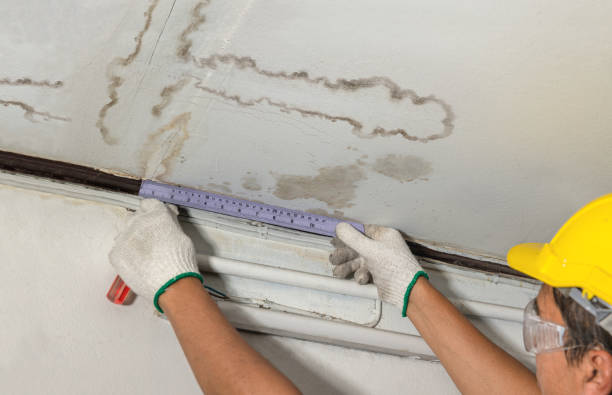
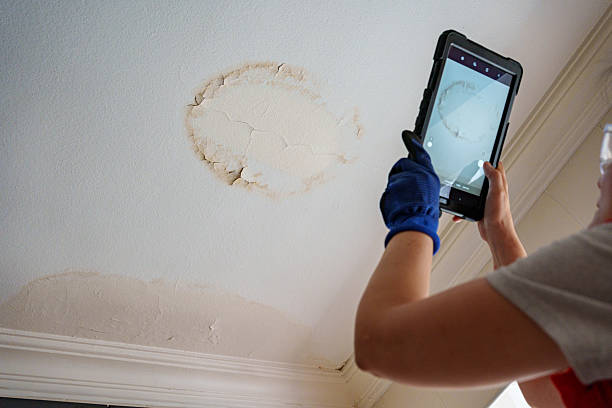
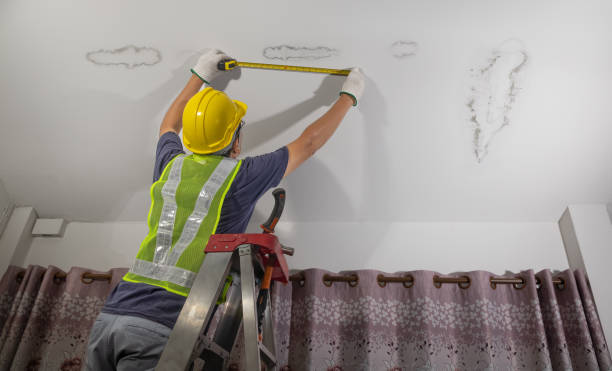
Expect moisture readings, photos, a sketch of affected rooms, and a written scope that covers both drying and rebuild before any demo begins.
Once readings confirm everything is dry, reconstruction starts. A final walkthrough lets you inspect the work before the job is closed out.
The sooner mitigation starts, the less has to be rebuilt.
Water heater failed while we were away for four days. They handled everything, from drying to new drywall and paint, and the rooms look like nothing happened.
Rachel D.Water heater failure, full rebuildWhat I liked was having one company for the whole thing. The estimate lined up with what my adjuster wrote, so there was no back and forth.
Tom H.Insurance claim, kitchen and dining roomThey boxed up the kids' rooms, stored everything, and brought it all back after the new carpet went in. Nothing missing, nothing damaged.
Monique L.Contents pack-out and carpet replacementThey refused to close up the walls until the readings were dry, even though I was in a hurry. Glad they did.
Greg P.Supply line leak, finished basement

Mitigation is the emergency phase: stopping the water, extracting it, and drying the structure. Restoration includes mitigation plus the rebuild, like new drywall, trim, paint, and flooring.
Drying usually takes three to five days. Rebuild time depends on the scope, from a few days for a single room to several weeks when kitchens or floors are involved.
Covered losses typically include repairs, not just drying. Check your policy with your agent, and keep the contractor's photos and logs.
Drywall that wicked dirty water or stayed wet too long can grow mold and lose strength. Cutting it at a level line exposes the framing so it dries properly and gives a clean line for patching.
Often, yes. Drying equipment is loud and warm, but many families stay home. If sewage, mold, or a large area is involved, the contractor may recommend staying elsewhere for a few days.
No. We connect callers with independent local restoration companies. Please verify license and insurance with the contractor before work starts.

Calls from Mill Valley and surrounding zip codes like 94941 94942 are routed to independent restoration pros working locally.
See the nearby cities list below. The dispatcher will let you know quickly if your address falls outside coverage.