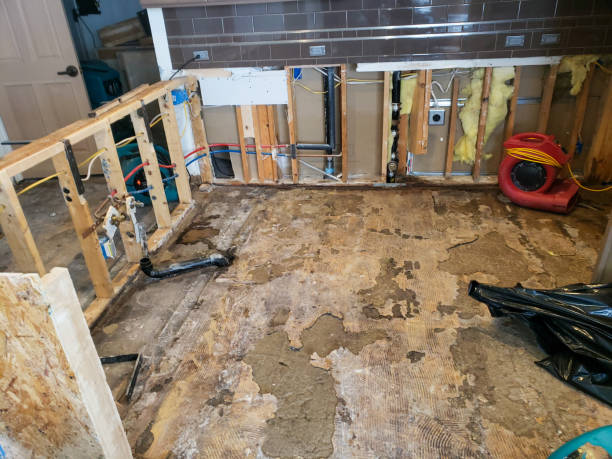
The visible water is gone, the carpet looks fine, and someone told you a couple of fans would finish it off. But the studs behind the drywall are still reading wet, the subfloor is holding moisture, and the house smells a little off. Structural drying is how you get the framing, subfloor, and walls truly dry before anything gets closed up.
One free call connects you with an independent local specialist. Areas served include zip codes 26508.

We are a referral line, not a contractor. Calls are routed to independent local pros around Cheat Lake who treat drying as a measured process with daily readings and written logs.
LGR dehumidifiers, desiccants for tough jobs, and air movers placed with purpose, not just pointed at the wall.
Daily logs track humidity and material readings so drying decisions are based on data.
Ask for proof of license and insurance before work begins.
You will see equipment day rates and an estimated drying timeline before setup.

Good drying starts with a moisture map and ends with readings that match dry standard. Everything in between is about controlling air, temperature, and humidity.

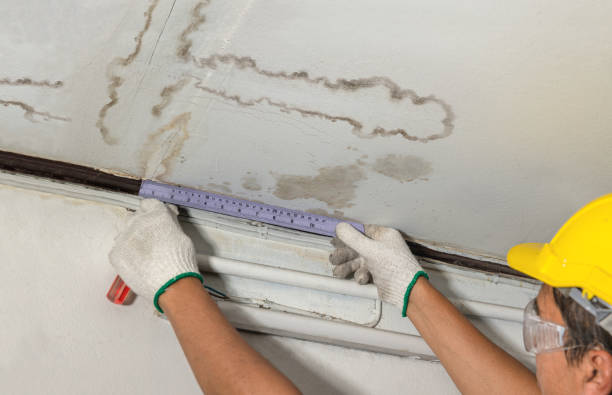
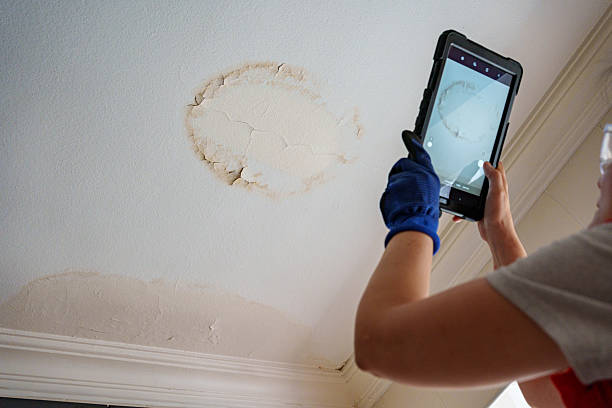
Pin and pinless meters plus an infrared camera show exactly where water traveled, including under cabinets, inside walls, and across the subfloor.
Plastic containment creates a smaller drying chamber, so dehumidifiers work on a defined space and drying moves faster.
Injecting dry air through small holes can dry wall cavities without full flood cuts.
Floor mat systems and targeted airflow dry hardwood and plywood subfloors slowly enough to limit cupping and cracking.
Drying ends only when readings confirm the structure is dry, and you get the log for your records.
Call +1-877-637-9008 and explain what got wet, when, and whether water has already been extracted. That tells dispatch you need a drying specialist.
A local contractor calls back with an arrival time and brings meters, a thermal camera, and an initial set of drying equipment.
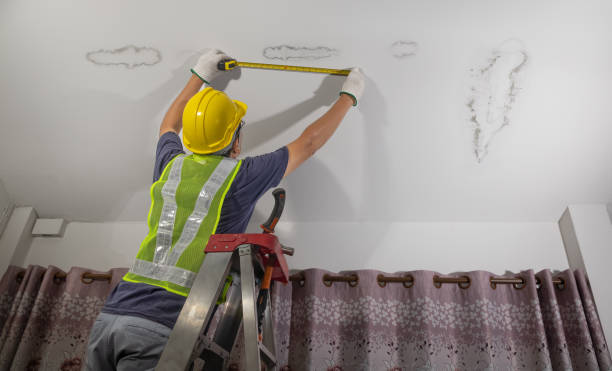
The pro maps moisture, records dry standard from unaffected areas, calculates equipment needs, and gives you a written estimate.
Drying continues with daily monitoring until readings confirm the job is done.
Get readings before you rebuild.
We had fans running for a week after a leak and it still smelled. The drying contractor found wet studs with a thermal camera and had them dry in four days with real equipment.
Laura F.Hidden wet framing after leakWall injection drying saved our drywall. Just a few small holes behind the baseboards.
Kevin Y.Wall cavity dryingI liked seeing the daily log. Humidity numbers, wood readings, all of it. The adjuster liked it too.
Mariah S.Insurance drying documentationOur oak floor was cupping. They used floor mats and kept the drying slow and steady. The boards flattened back out.
Henry L.Hardwood floor drying

Typically three to five days, longer for hardwood, plaster, or concrete.
Consumer equipment is too weak to dry framing quickly enough to prevent mold.
Dry standard is the normal moisture reading of the same type of material in an unaffected part of the home. Drying is complete when wet materials match it.
Grains per pound, or GPP, measures how much water vapor is in the air. Lowering GPP in the drying area speeds evaporation from wet materials.
Yes. Air movers and dehumidifiers are noisy and add heat. Most people can stay home, but you may want to close doors to the drying area at night.
No. A Water Damage is a free referral service that connects you with independent, licensed and insured local contractors who perform the drying.

Calls from Cheat Lake and zip codes such as 26508 are routed to structural drying pros working locally.
See nearby cities in the list below.