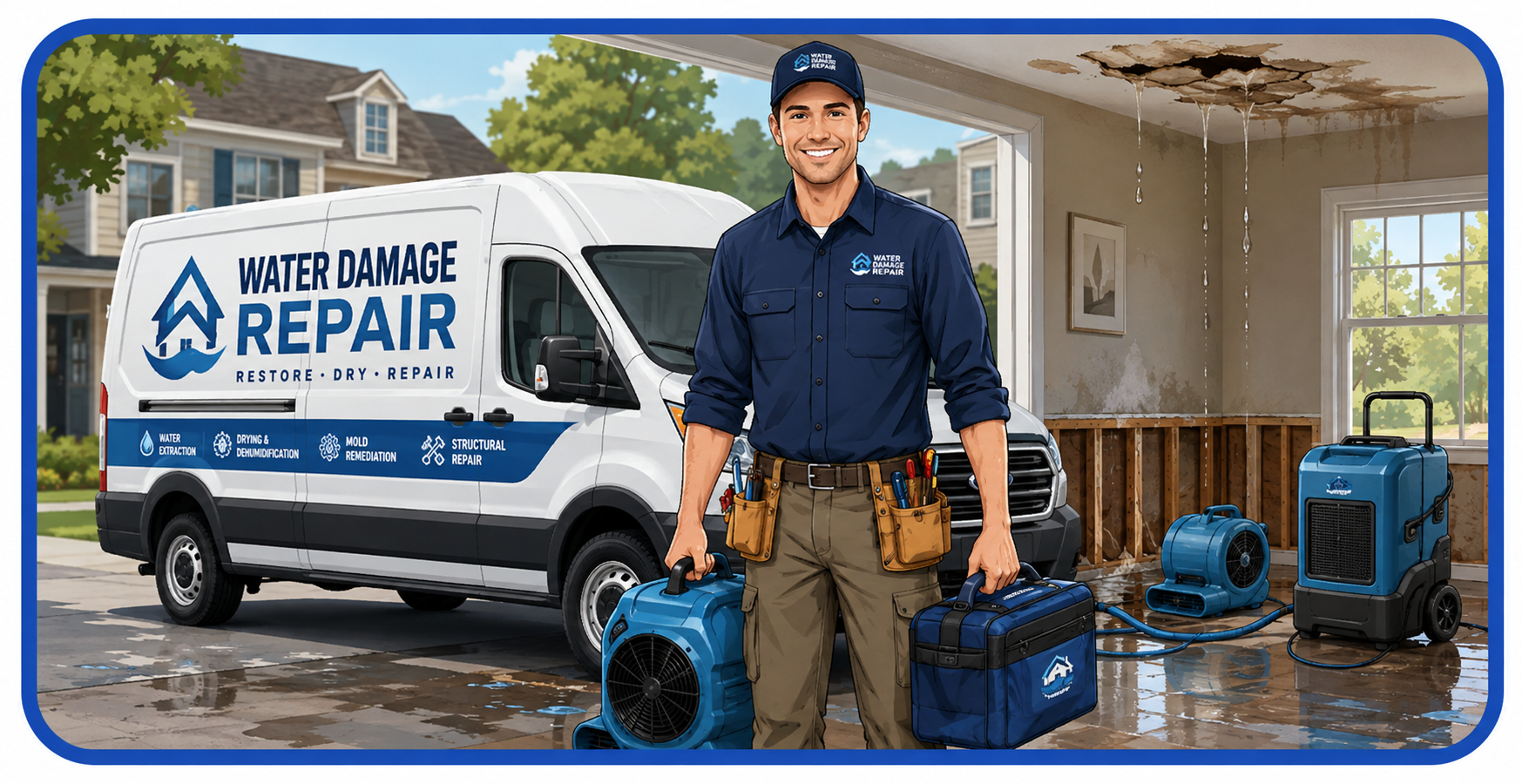
Coming home to three days of water from a failed water heater is a gut punch. The fix is a full restoration: get the water out, dry the structure, remove what is ruined, and rebuild it so you cannot tell anything happened.
Free referral to independent, licensed and insured local pros. Zip codes served include 73737.

We are a referral line, not a contractor. Your call is routed to an independent local restoration company that can take the job from the first moisture reading to the final walkthrough, which saves you from managing three or four different trades.
When the same contractor dries the house and rebuilds it, nobody can blame the other company for a problem. You get one estimate and one schedule.
Many pros build estimates in Xactimate, the platform adjusters rely on. That keeps the scope, pricing, and photos lined up with your claim.
Reconstruction sometimes requires permits. Ask the contractor for license and insurance proof up front, and confirm who is pulling any permits your job needs.
Local pros can often start the same day. Faster mitigation means less demolition and a smaller rebuild bill.

Each phase depends on the one before it. Rebuild too early and you trap moisture inside the wall, which is the most common reason restoration jobs fail.

Stopping the source, extracting standing water, and setting up drying equipment to keep damage from spreading. This phase is about saving as much of the original structure as possible.
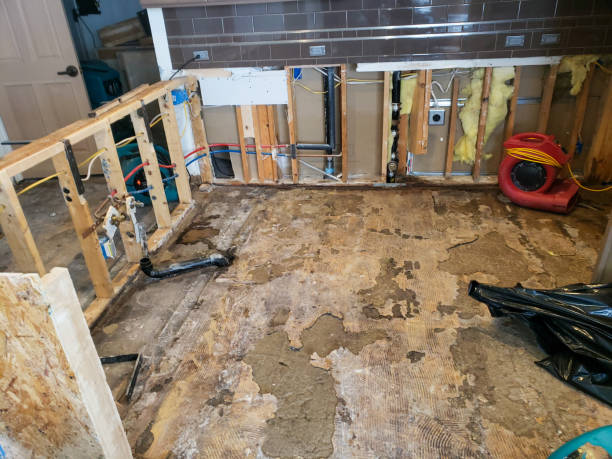
Wet drywall is cut at a straight line, often two or four feet up, to expose framing for drying. Swollen MDF baseboards, saturated insulation, and delaminated cabinet toe kicks come out too.
Your belongings are moved off wet floors, set on blocks, or boxed and stored offsite, with an inventory you can hand to your insurance company.
New drywall is hung, taped, and textured to match. Baseboards, casing, and paint go back on, and outlets and switches are reset to code.
Depending on the material, floors are dried and refinished, re-padded, or replaced. Laminate rarely survives a soaking, while solid hardwood often can.
Call +1-877-637-9008 and explain what failed, how long water sat, and which rooms are affected. That helps route you to a full-service restoration pro.
The contractor calls you with an arrival window and talks you through shutting off the water heater or main valve if it is still leaking.
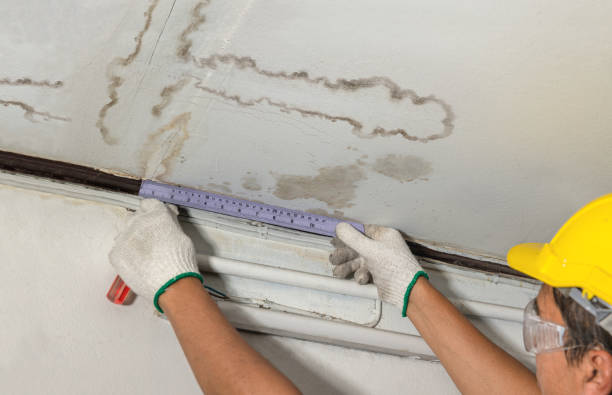
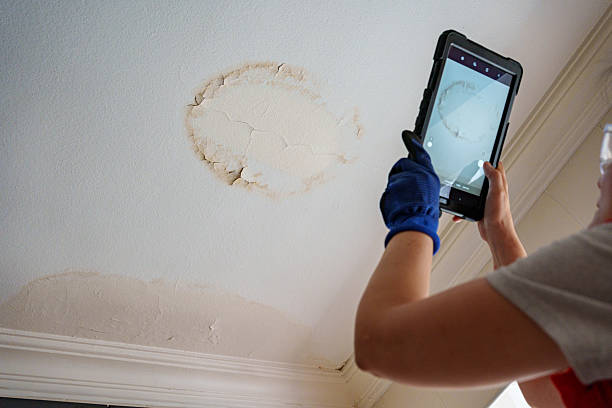
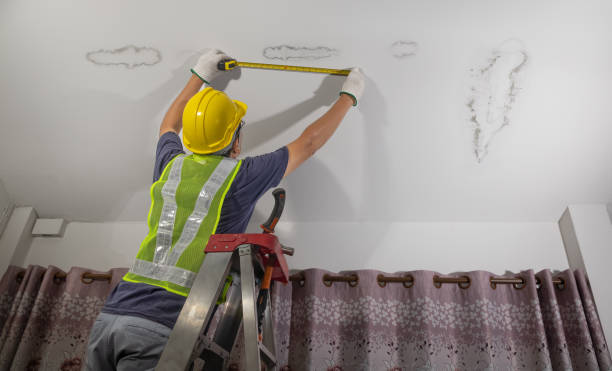
Expect moisture readings, photos, a sketch of affected rooms, and a written scope that covers both drying and rebuild before any demo begins.
Once readings confirm everything is dry, reconstruction starts. A final walkthrough lets you inspect the work before the job is closed out.
Every day of delay adds demolition to the bill.
We were out of town for four days when the water heater let go. The contractor dried the house, cut the drywall two feet up, and rebuilt the hallway and two bedrooms. Paint matched perfectly.
Rachel D.Water heater failure, full rebuildOne contractor for drying and rebuilding made it simple. Their estimate matched the adjuster's line by line.
Tom H.Insurance claim, kitchen and dining roomThey boxed up the kids' rooms, stored everything, and brought it all back after the new carpet went in. Nothing missing, nothing damaged.
Monique L.Contents pack-out and carpet replacementThey refused to close up the walls until the readings were dry, even though I was in a hurry. Glad they did.
Greg P.Supply line leak, finished basement

Mitigation is the emergency phase: stopping the water, extracting it, and drying the structure. Restoration includes mitigation plus the rebuild, like new drywall, trim, paint, and flooring.
Plan on about a week for drying and small repairs. Larger rebuilds that involve cabinets or flooring can run several weeks.
Covered losses typically include repairs, not just drying. Check your policy with your agent, and keep the contractor's photos and logs.
Drywall that wicked dirty water or stayed wet too long can grow mold and lose strength. Cutting it at a level line exposes the framing so it dries properly and gives a clean line for patching.
Often, yes. Drying equipment is loud and warm, but many families stay home. If sewage, mold, or a large area is involved, the contractor may recommend staying elsewhere for a few days.
No. We connect callers with independent local restoration companies. Please verify license and insurance with the contractor before work starts.

Calls from Fairview and surrounding zip codes like 73737 are routed to independent restoration pros working locally.
Nearby cities served are listed below. If your address is outside a contractor's range, you will be told right away.