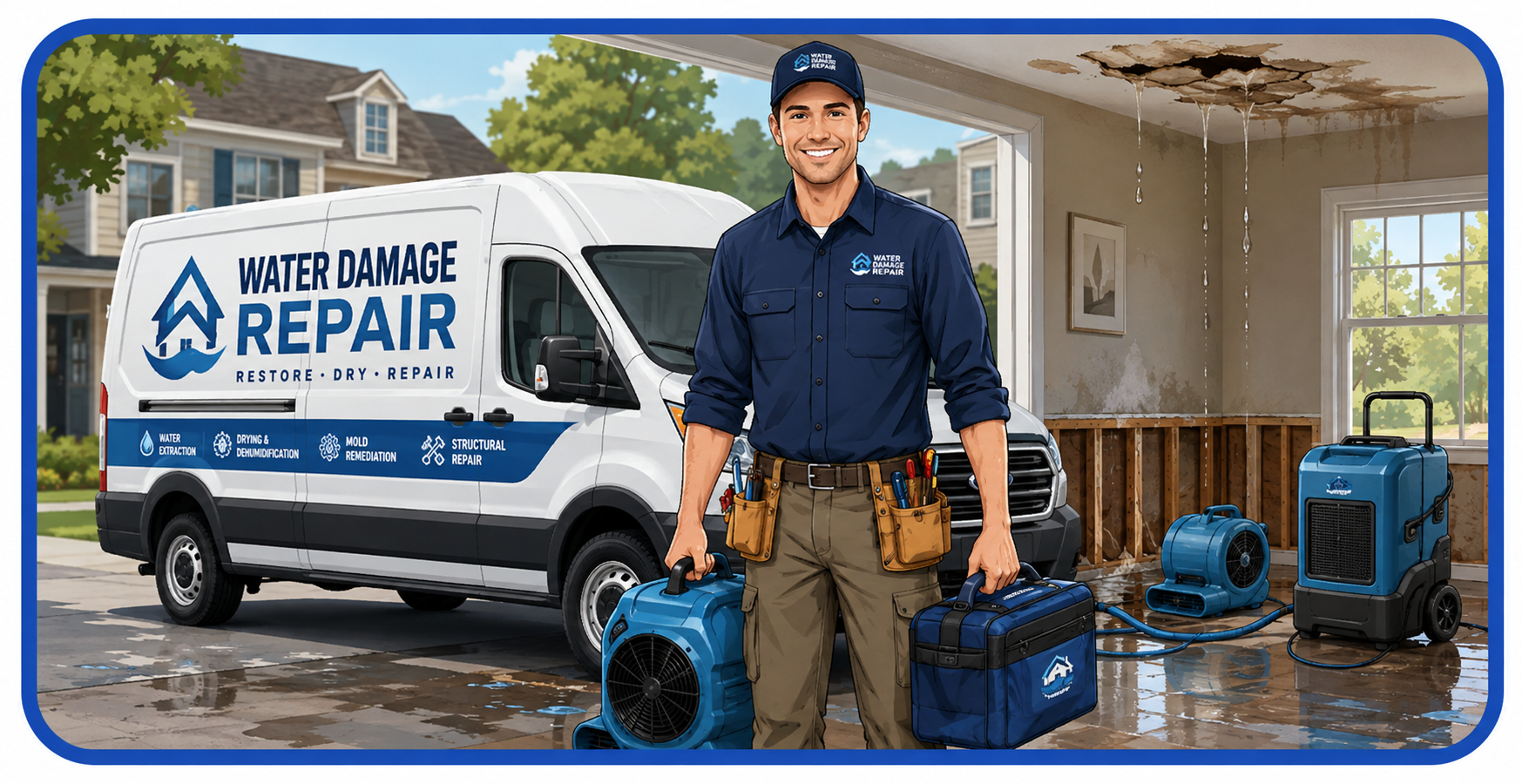
Storm water damage usually starts at the roof, windows, or siding. High winds lift shingles, hail cracks flashing, and rain finds its way into attics and walls. Restoration means stopping more water from entering, then drying and repairing everything it reached.
Free referral to independent, licensed and insured local pros. Zip codes served include 04330 04332 04333 04336 04338.

After a big storm, every contractor's phone rings at once, and out-of-town crews start knocking on doors. A Water Damage is a free referral service that connects you with independent, licensed and insured contractors near Augusta who handle emergency tarping, drying, and interior repairs.
The first priority is keeping more rain out. Contractors tarp damaged roofs and board up broken windows or doors before interior drying begins.
Contractors in the network already work around Augusta, which matters when you need follow-up visits and warranty service after the trucks from out of town leave.
Each contractor carries independent licensing and insurance. After storms, always check credentials before signing.
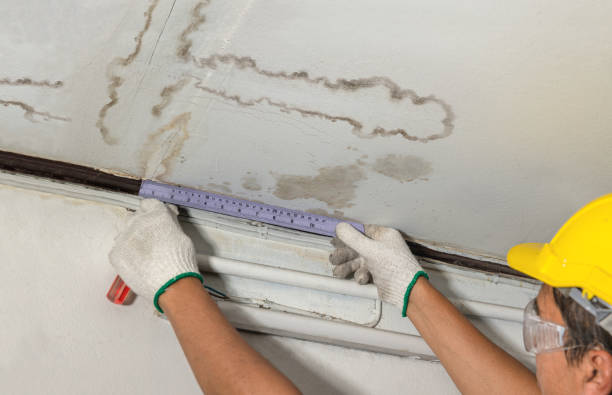
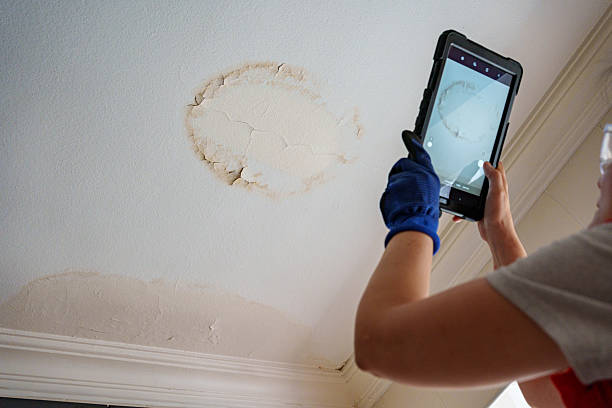
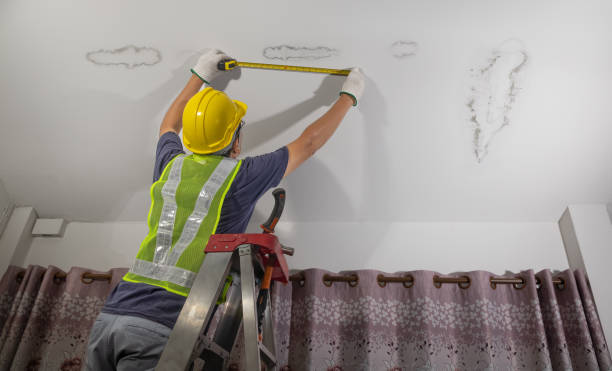
Contractors photograph exterior and interior damage, record moisture readings, and itemize repairs so your storm claim has solid support.

Storm restoration starts outside and works inward. Stop the leaks first, then handle the attic, ceilings, and walls.

Heavy-duty tarps are secured over damaged roof sections with battens so wind does not lift them, keeping rain out until permanent roof repairs.
Openings from broken glass or tree damage are boarded up to protect the home.
Wet attic insulation comes out, the decking and framing are dried, and fresh insulation is installed.
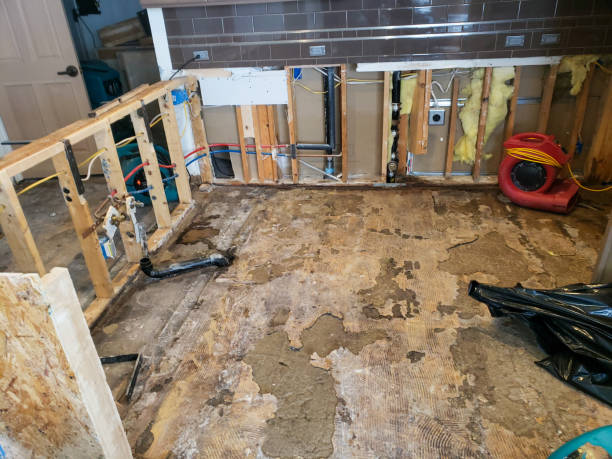
Water-damaged ceilings and walls are removed, dried, rebuilt, and painted.
Rooms below the leak get full drying setups until readings show they are dry.
Tell dispatch whether rain is still getting in and where the damage is.
A local contractor calls with an arrival estimate. After regional storms, demand is high, and they will be honest about timing.
Expect an outside-in inspection and a written price before work starts.
Openings are sealed, wet areas dried, and damaged materials replaced.
Stop the leak first, then dry it out.
Wind took a chunk of shingles off, and rain came into the attic all night. They had a tarp on by noon, pulled the wet insulation, and fixed the bedroom ceiling the following week.
Natalie G.Wind damage, attic and ceilingA branch broke our window. Board-up that night and the hardwood was saved.
Victor A.Tree limb, broken windowPlenty of storm chasers showed up. This pro was local and showed his license and insurance right away.
Brenda K.Hail and wind stormThe photos they took of the roof and attic made my storm claim simple. The adjuster approved it in one visit.
Luis F.Storm insurance claim

Climbing a wet, damaged roof is dangerous. A professional tarp is safer and more likely to hold. Many policies cover reasonable emergency tarping costs.
Wind-driven rain through storm damage is usually covered. Outside flooding generally requires flood insurance.
Verify local presence, licensing, and insurance, and avoid anyone pressuring you or asking for large deposits.
Usually not. Wet insulation loses effectiveness and can hold moisture against the roof deck.
Within 24 to 48 hours. Mold can start growing on wet insulation, drywall, and wood framing quickly, and another storm can make it worse.
No. We connect you with independent local pros. Verify their license and insurance before work starts.

Calls from Augusta and zip codes such as 04330 04332 04333 04336 04338 are routed to local storm damage pros.
Nearby cities are listed below. After major storms, arrival times may run longer, and the dispatcher will be upfront about it.