The snow melted fast, the rain kept coming, and the sump pump quit sometime after midnight. Now there are three inches of water across the finished basement, the carpet is floating at the edges, and the furnace is sitting in it. Basements flood differently than the rest of the house, and the cleanup has to account for that.
One free call connects you with an independent local specialist. Areas served include zip codes 97415.

Basement floods are some of the most common water calls. A Water Damage is a free referral service connecting you with independent, licensed and insured contractors near Harbor who know below-grade drying and can spot the source, whether it is a failed sump, a backed-up floor drain, or a cracked foundation wall.
When water is several inches deep, submersible pumps clear it fast before extraction starts on carpet and pad.
The pro looks at the sump pit, discharge line, floor drains, and foundation walls to figure out where the water came from, so you know what needs fixing to stop a repeat.
Confirm license and insurance with the contractor on arrival.
During storms and spring thaws, basement calls spike. Local pros near Harbor are close, which helps keep arrival times reasonable.

Pumping is just the start. The real work is pulling water from carpet and walls and drying concrete that wants to hold moisture.

Submersible pumps remove the bulk of the water, then extractors pull it from carpet, pad, and corners the pump cannot reach.
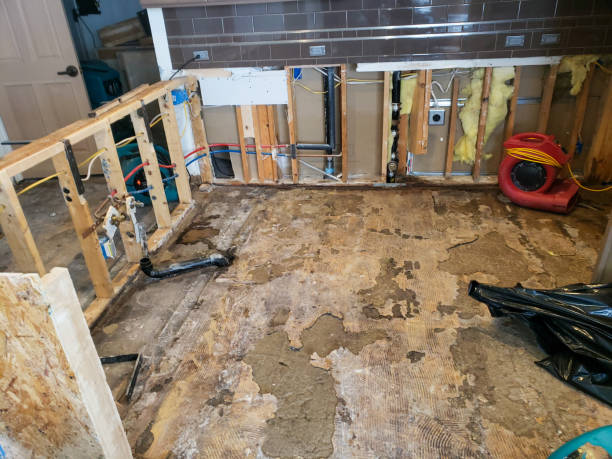
Drywall and fiberglass insulation on below-grade walls are cut out above the wet line so framing and the foundation wall behind it can dry.
Concrete gives off moisture for days, so dehumidifiers keep running until the slab tests dry.
If water came up through a floor drain, it may be contaminated. Affected materials are removed and surfaces disinfected before drying.
Contractors can point out a failed float switch, clogged discharge line, or missing battery backup, and recommend a plumber or waterproofing pro if needed.
Let dispatch know water depth, whether the space is finished, and if mechanical equipment is wet.
A local contractor calls with an arrival time and reminds you not to walk into water near outlets or the electrical panel.
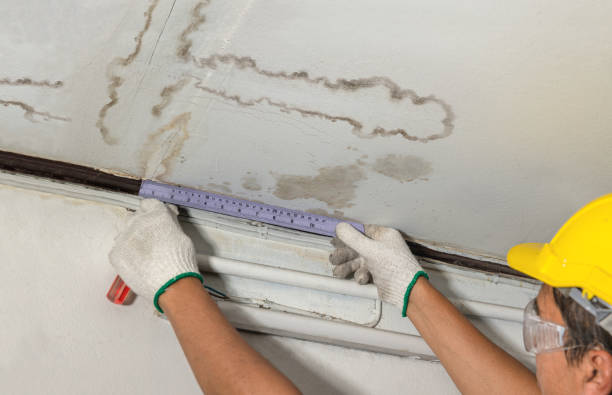
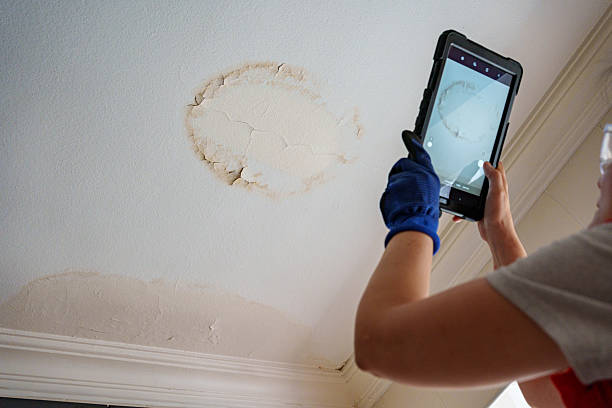
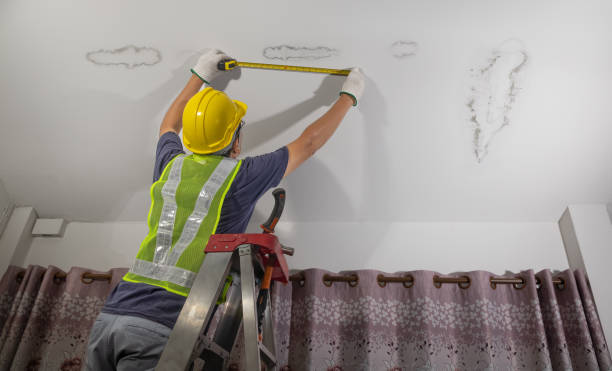
Expect a source check, moisture mapping of walls and floors, and a written price before work starts.
Water is pumped and extracted, wet materials removed, and drying runs until the slab and framing read dry.
Finished basements need fast extraction to save carpet and walls.
Sump pump died during the spring melt. Three inches across our finished basement. They pumped it, pulled the carpet pad, cut the drywall at two feet, and had it dry in five days.
Andrea K.Sump pump failure, finished basementThe contractor showed me the float switch was stuck and suggested a battery backup. Haven't had water since.
Mike D.Sump float switch failureA floor drain backed up during a storm. They sanitized the whole area and explained the risks clearly.
Sharon T.Floor drain backupThe thermal camera found water behind the bar wall I never would have checked. Saved us from mold later.
Jason W.Seepage behind finished walls

It is often a sump failure, a drain backup, or groundwater pressure after heavy rain. A pro can pinpoint which one.
Clean water and quick action can save it. Drain backups usually mean replacement.
Most basements dry in three to seven days, since concrete releases moisture slowly.
If water reached the burners, controls, or wiring, do not run them until a qualified HVAC tech or plumber inspects them.
Coverage varies by cause. Sump backup often requires an add-on, so check with your agent.
No. We connect you with an independent local pro. Verify their license and insurance before work starts.

Calls from Harbor and zip codes including 97415 go to local contractors who handle basement floods.
Nearby cities appear in the list below.