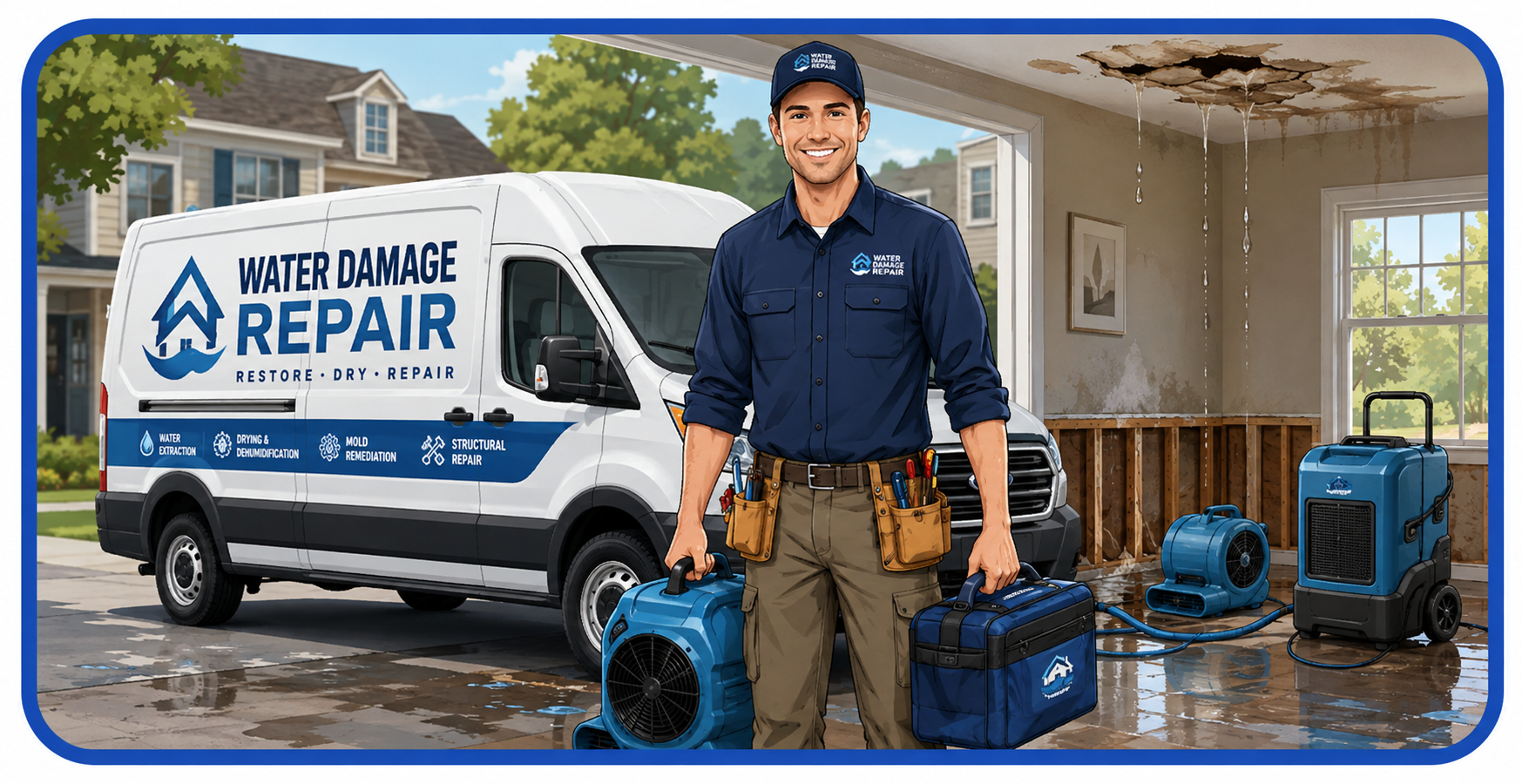
Water damage gets more expensive every hour it sits. A Water Damage is a free referral line that connects Faulk County homeowners and business owners with independent local pros who can be on the road quickly.
Free referral. No obligation until you approve a written estimate from the contractor.
Calls are routed to contractors serving zip codes including .

Within minutes water reaches carpet pad and baseboards. Within hours drywall wicks it upward. After 24 to 48 hours, mold growth becomes a real risk.
We are a referral line, not a restoration company. When you call A Water Damage from anywhere in Faulk County, you get routed to an independent local contractor who handles the extraction, drying, and repairs directly with you.
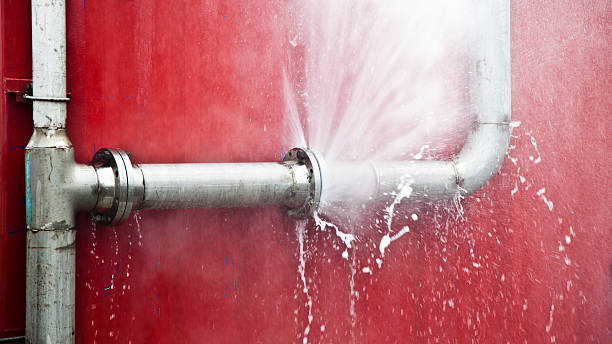
Nobody plans for a flood. Most calls start with a split washer hose, a toilet that would not stop running, or a sump pump that quit mid-storm. The person calling is usually ankle-deep in it and has no idea which company to call. Getting them to a qualified local pro quickly is the whole point of this line.
Every pro you are connected with runs an independent business with its own licensing and insurance. Many have IICRC training in water restoration and structural drying. Expect them to arrive with real equipment: extraction units, low-grain refrigerant dehumidifiers, high-velocity air movers, moisture meters, and infrared cameras that find hidden water before it turns into mold.
Whoever you are connected with, confirm license and insurance details for your job directly with the pro before work begins. A good contractor will happily show you both, walk you through the moisture readings, and give you a written estimate before anything gets torn out.

Not every leak announces itself with a puddle. Some of the most expensive water damage jobs start as a faint stain or a slightly soft spot near a baseboard. If you notice any of the signs below, call before it spreads.
Drywall wicks water upward like a sponge. If the bottom of a wall feels soft, shows a tide line, or the paint is bubbling, water is sitting inside the cavity.
That earthy, musty odor usually means moisture is trapped somewhere you cannot see, often under flooring or behind baseboards, and microbial growth may already be starting.
Hardwood boards that cup at the edges, laminate that peaks at the seams, or vinyl plank that lifts all point to moisture coming up from the subfloor.
A sudden jump on your water bill, or a meter that keeps moving when every fixture is off, often means a slab leak or a hidden supply line break.
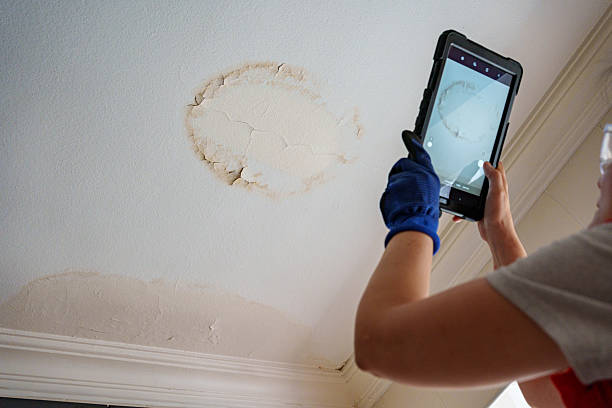
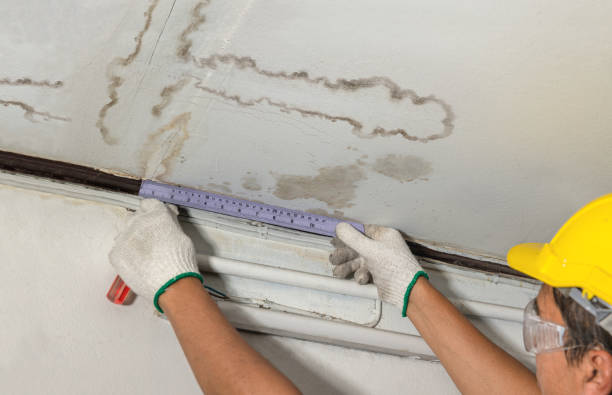
Yellow-brown rings or a bulge in the ceiling mean water is collecting above. Do not puncture it yourself, and keep people out of the room until a pro checks it.
Any visible standing water needs to come out fast. The longer it sits, the deeper it soaks into subfloors, cabinet bases, and drywall.
Water damage repair is really three jobs back to back: get the water out, get the structure dry, then put the home back together. The independent contractors you reach through this line handle all three, so you are not juggling a separate extraction company, drying company, and remodeler.

The first job on an emergency call is to stop the water and make the space safe. After that, the pro photographs everything, takes moisture readings, and starts pulling water with truck-mounted or portable extractors. On carpeted floors, weighted extraction tools squeeze water out of the pad, which shortens the drying phase and gives the carpet a much better chance of being saved.
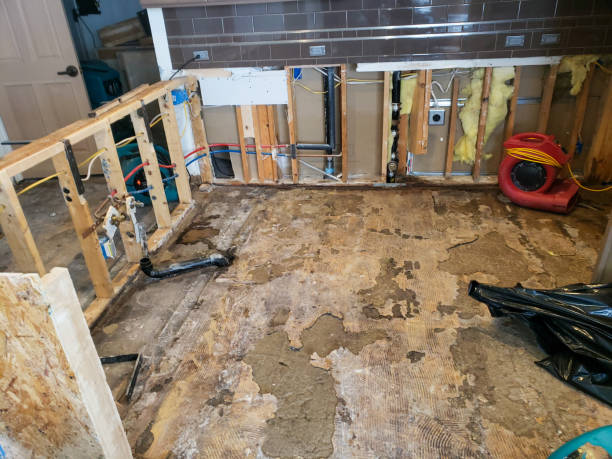
Most home losses come from the same short list: a failed water heater, a cracked supply line, a leaking dishwasher, or a toilet that overflowed. The contractor removes what cannot be saved, dries what can, treats exposed framing with an antimicrobial, and then handles repairs from drywall and texture to trim and flooring.
A flooded office, restaurant, or retail floor costs money every hour it is closed. Commercial jobs often need larger crews, desiccant dehumidifiers for big open spaces, and drying plans built around business hours. The contractor can stage work in sections so part of the space keeps running, and keep drying logs your property manager or insurer can review.
Drying is a science, not a box fan in the doorway. Pros set up a closed drying chamber, place air movers to push air across wet surfaces, and run low-grain refrigerant dehumidifiers to pull moisture out of the air. They check readings every day and adjust until framing, subfloor, and drywall reach dry standard, which is the moisture level of unaffected materials in the same home.
Mold can begin growing within 24 to 48 hours on wet drywall, wood, and carpet backing. Contractors apply EPA-registered antimicrobials to affected surfaces, remove porous materials that cannot be dried in time, and use HEPA air scrubbers when there is a risk of spores spreading to other rooms.
Some losses need extra care. Sewage backups and outside floodwater are Category 3 water, which means full protective gear, removal of affected porous materials, and thorough disinfection. Slab leaks call for leak detection and careful flooring removal. Crawl spaces need vapor barriers checked and dried properly. Tell dispatch what you are seeing so you are matched with a pro equipped for it.
Do not wait for the morning. Independent pros can start extraction tonight.
You should not have to research restoration companies while water is spreading across the floor. The process is simple and moves fast.
Call +1-877-637-9008 and tell the dispatcher where the water is coming from, how much there is, and how long it has been there. That information decides which independent pro gets your call.
The contractor confirms your address, gives you an arrival window, and may walk you through shutting off the main water valve or the breaker to a wet room while you wait.
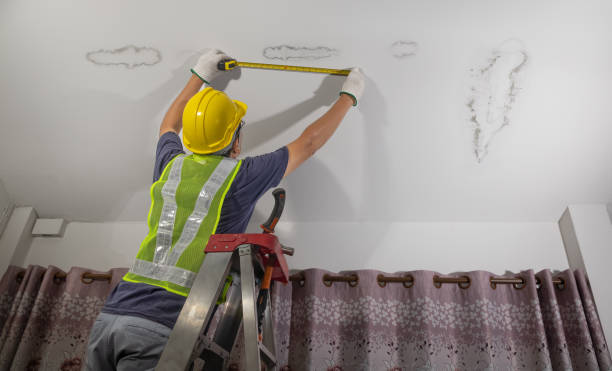
On site, the pro maps moisture with meters and thermal imaging, classifies the water category, photographs the damage, and gives you a written estimate before any work begins.
Once you approve, extraction and drying begin. The contractor monitors daily until materials hit dry standard, then handles repairs. You get the moisture logs and photos for your insurance claim.

When you are dealing with a flood, you want someone who answers, someone who shows up, and someone who explains the bill. That is the standard independent contractors in the network are held to.
Every contractor runs an independent, licensed and insured business. Ask for proof before work starts. A reputable pro will not hesitate.
Calls are answered around the clock. Since the pros already work in Faulk County, arrival is often quick, sometimes inside an hour, depending on demand and distance.
You get a written estimate after the inspection and before anything is torn out. Many contractors work directly with your insurance company and use the same pricing software adjusters use, which keeps the claim process smoother.
The pros work cities and towns throughout Faulk County, so they know the common pipe materials, typical basement and crawl space setups, and how local storms tend to hit.
There is no fee for the referral and no commitment from you. You decide whether to hire the contractor after you see their written quote.
Dated photos, moisture readings, and drying logs are standard on every job. Insurance adjusters rely on these records, and they help you avoid disputes about what was damaged and how it was fixed.
People rarely remember the equipment. They remember that the phone got answered, the contractor arrived when promised, and the bill matched what was written down.

Our water heater split on a Sunday night and flooded the garage and half the laundry room. I called the number, and the contractor was at the house in about fifty minutes. He had the water out that night and set up dehumidifiers before he left. Nothing pushy about it.
Dana R.Water heater failure, garage and laundry roomI did not know drywall could hold that much water until the contractor showed me on his thermal camera. He cut a two-foot flood cut along the hall, dried everything in four days, and walked me through the readings each morning.
Marcus T.Supply line leak behind hallway wallA pipe burst in our dental office over a weekend. The crew dried it in phases so we could keep seeing patients in the other rooms, and the documentation they gave us sped up the claim.
Priya S.Commercial office, burst pipeSump pump died during a storm and we had three inches in the basement. The pro pulled up the carpet pad, saved the carpet, and treated the walls so we would not get mold. Fair price, written up before they started.
Jim and Carla W.Basement flood, failed sump pumpDishwasher leaked under the kitchen floor for who knows how long. The laminate was cupping. The contractor found moisture spreading under the cabinets, pulled the toe kicks, and dried it without ripping out the whole kitchen.
Alicia M.Hidden dishwasher leak, kitchenUpstairs toilet overflowed and came through the dining room ceiling. The contractor checked the ceiling, drained it safely, dried the joists, and handled the drywall and paint. You cannot even tell it happened.
Ben K.Toilet overflow, ceiling damage
Here are straight answers to the questions callers ask most. If yours is not here, call and ask.
Arrival times vary with distance and demand, but local contractors often reach you within an hour or two. You will get an arrival estimate when the contractor calls you back.
Yes. The independent contractor inspects the damage and gives you a written estimate before work begins. You do not pay for the referral, and you are never obligated to hire the contractor.
Emergency water extraction, board-up of damaged openings, temporary roof tarping, sewage cleanup, structural drying, and mold prevention are all common emergency services. Tell the dispatcher what you are seeing so you get the right specialist.
Sudden events like a burst pipe usually are covered, while slow leaks and outside floodwater often are not unless you have a separate flood policy. The contractor's documentation helps your claim, but your agent can confirm what your policy includes.
Most structural drying jobs take three to five days. Dense materials like hardwood, plaster, and concrete can take longer. The contractor checks readings daily and removes equipment only when materials reach dry standard.
Turn off the water at the main shutoff, kill power to affected rooms at the panel, lift furniture and electronics off the floor, and photograph everything. Avoid sagging ceilings and never use a regular vacuum on water.
It depends on the source. Clean water from a supply line is Category 1. Water from a dishwasher or washing machine is Category 2 and can make you sick. Sewage and outside floodwater are Category 3 and should only be handled with protective gear. When in doubt, stay out of it.
Not always. If the water was clean and the carpet is extracted and dried quickly, it can often be saved, though the pad usually gets replaced. Carpet soaked by sewage or floodwater should be removed.
A musty smell, dark spotting on walls or baseboards, or allergy-type symptoms that get worse at home are common signs. Contractors can check moisture levels and, where needed, recommend mold testing by an independent assessor.
No. A Water Damage is a free referral service. We connect you with independent, licensed and insured local contractors who perform the work and bill you directly. Always confirm licensing and insurance with the contractor before work begins.
Contractors in the network serve towns and unincorporated areas throughout Faulk County. The city and zip code list at the bottom of this page shows the areas most often covered.
Describe what you are seeing and the contractor will tell you what makes sense.
Contractors in the network work throughout Faulk County, from the county seat to outlying towns and unincorporated areas. Calls are routed to a pro close to your address to keep drive times short.
Check the city and zip code table below. Common service zip codes include .